
Home » Urban Placemaking Australia: Best Social Precincts Built for Skate

In 2026, the Australian urban landscape is undergoing a radical shift. The days of “set and forget” public parks characterised by a lonely bench and a patch of parched grass are officially over. As our cities become denser and the “loneliness epidemic” continues to challenge social cohesion, Local Government Areas (LGAs) and developers are turning to placemaking as a primary tool for economic and social recovery.
But what makes a placemaking project successful? At Outlier Skate, we’ve observed that the most resilient urban placemaking examples in Australia share a common DNA: they move beyond aesthetics and focus on Activation.
As a skate specialist advisory firm, we operate at the intersection of planning and play. We’ve seen that when a precinct is designed with the “Expert User” in mind, whether that’s a skater, a street artist, or a digital nomad, the entire community benefits. This is an audit of the most successful urban placemaking examples in Australia for 2026 and the data-driven strategies that make them work.
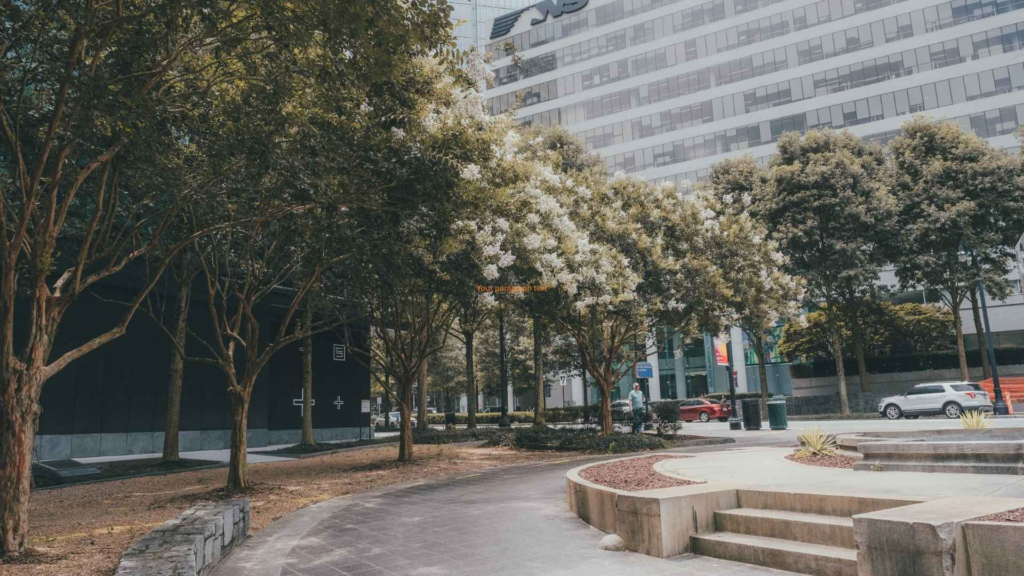
1. The "Olympic Legacy" Youth Plaza (Brisbane, QLD)
With the 2032 Games on the horizon, Brisbane has become a global laboratory for high-functioning urban placemaking. One of the standout examples is the integration of “Skateable Architecture” into multi-use civic plazas.
The Strategy: Instead of hiding youth facilities in industrial fringes, the city has integrated skate-friendly ledges, banks, and transitions into the heart of new commercial precincts.
Why it Works: By designing for “skate-legal” use, the council has reduced illegal street skating damage while increasing footfall for surrounding retail. These spaces aren’t just “parks”, they are social hubs where business professionals eat lunch alongside teenagers filming clips.
The Outlier Lens: Our Community Pulse data shows that “Integrated Plazas” have a 60% higher multi-generational use rate than fenced-off skateparks. When you remove the barriers, you remove the stigma.
2. The Reclaimed Underpass: Tactical Urbanism (Melbourne, VIC)
Melbourne has long been a pioneer in tactical urbanism, but in 2026, the focus has shifted to “Dark Zone Activation”. Underutilised spaces beneath rail lines and bridges are being transformed from “no-go zones” into vibrant, lit, and safe community assets.
The Strategy: Utilising high-output smart lighting and durable concrete features to turn a “non-place” into a destination.
Why it Works: It addresses CPTED (Crime Prevention Through Environmental Design) standards by replacing shadows with activity. A space that is “Built for Skate” is a space that is occupied 18 hours a day, providing natural surveillance that deters antisocial behaviour.
The Outlier Lens: We recently conducted an Audit on a similar underpass project. By adjusting the “ride-lines” to prevent pedestrian conflict, the space became a primary thoroughfare that felt safe for commuters and exciting for youth.
3. Neuro-Inclusive Play Spaces (Sydney, NSW)
A major trending topic in 2026 for urban design is neurodiversity. Sydney has led the way in creating placemaking examples that cater to sensory-sensitive users while still providing high-action environments.
The Strategy: Incorporating “Quiet Zones” adjacent to high-energy skate features. Using textural transitions in the concrete and natural “sound buffers” (landscaping) to manage the acoustic impact of the park.
Why it Works: It expands the definition of “Community”. It allows families with neurodivergent children to stay longer in the precinct, increasing the Social ROI for the council.
The Outlier Lens: Designing for neurodiversity isn’t about making a space “boring”. It’s about managing the “sensory flow”. Our activation strategies ensure that the “clack” of a skateboard doesn’t become a barrier to inclusion.
4. The "Third Space" Hybrid: Library & Skate (Adelaide, SA)
Adelaide has successfully pioneered the “Third Space” model, public environments that aren’t home and aren’t work, but are essential for social health. A key example is the co-location of youth hubs and libraries.
The Strategy: Placing a technical skate plaza directly adjacent to a digital library and “Maker Space”.
Why it Works: It breaks down the digital-physical divide. Youth can skate for an hour, then head inside to edit their videos or use the Wi-Fi for study. It treats young people as holistic citizens with diverse needs.
The Outlier Lens: This is the pinnacle of Precinct Activation. When you combine physical movement with digital utility, you create a space that people actually use daily, not just on weekends.
5. Regional Hubs: The "Big Anchor" Strategy (Western Australia)
In regional WA, placemaking is being used to combat “youth flight” to the cities. By building world-class “Anchor Precincts”, regional councils are proving that quality of life is tied to the quality of public play.
The Strategy: Building a “Mega-Hub” that includes a competition-grade skatepark, bouldering walls, and high-spec event stages.
Why it Works: It creates a “Destination” effect. These parks attract tourism from neighbouring towns, boosting the local hospitality economy while giving local youth a reason to take pride in their town.
The Outlier Lens: For regional projects, our Audits focus heavily on maintenance and asset longevity. Regional concrete must be “Built for Skate” to withstand the harsh Australian climate while remaining a low-cost asset for the council to manage over a 20-year cycle.
The Methodology: How to Create the Next "Best Example"
If you are a planner, architect, or council officer looking at these urban placemaking examples in Australia, the question is: How do we replicate this success?
Successful placemaking in 2026 requires three non-negotiable steps:
Step 1: The Behavioural Audit
Don’t guess how people will use a space. Look at the existing “ride-lines.” If skaters are already using a particular ledge in your town square, don’t put “skate-stops” on it, ask why it works. Is it the height? The shade? The proximity to a café? Outlier Skate specialises in these technical audits to find the “soul” of a site before a single drop of concrete is poured.
Step 2: The Community Pulse
Move beyond the “Feedback Survey”. Use real-time data and behavioural mapping to understand the needs of your youth. A “Community Pulse” insight might reveal that your precinct doesn’t need more ramps, it needs more charging ports and better lighting.Text
Step 3: Social Activation
A park without a programme is just a sculpture. Successful placemaking includes Activation Work events, workshops, and community-led maintenance programmes that keep the space “alive” and self-regulating.
Turning Concrete into Community
The best urban placemaking examples in Australia for 2026 aren’t successful because they look good in a brochure. They are successful because they were Designed for community and Built for skate. They recognise that when you provide high-quality infrastructure for our most active and visible citizens, our youth, you create a “halo effect” of safety, vibrancy, and social health for everyone.
At Outlier Skate, we are the skate specialist partner for councils and developers who want to move beyond the “standard” and into the “exceptional”. We provide the data, the technical expertise, and the subcultural insight to ensure your next precinct isn’t just a place, it’s a destination.
Ready to build the next Australian placemaking success?
Whether you are planning a new regional hub or auditing an underperforming CBD precinct, Outlier Skate is your bridge between council standards and community heartbeat.
Outlier Skate
A specialist skatepark and precinct advisory team helping councils turn audits, community insight and upgrade planning into safer, better-used public spaces.
Recent Posts