
Home » The Skatepark Blueprint for Councils: A Guide to Youth Precincts

For Local Government Areas (LGAs) across Australia, the challenge of providing high-quality youth recreation has shifted. In 2026, a successful facility is no longer measured simply by the volume of concrete poured, but by the social health and “active hours” it generates for the community.
In our recent webinar, The Skatepark Blueprint for Councils, Outlier Skate’s Jasmine O’Reilly broke down the transition from isolated skate ramps to integrated youth precincts. This isn’t just about sport; it is about urban placemaking, risk mitigation, and social ROI.
If your council is currently managing an underperforming asset or planning a new build, this blueprint provides the strategic framework needed to turn a capital works project into a community landmark.
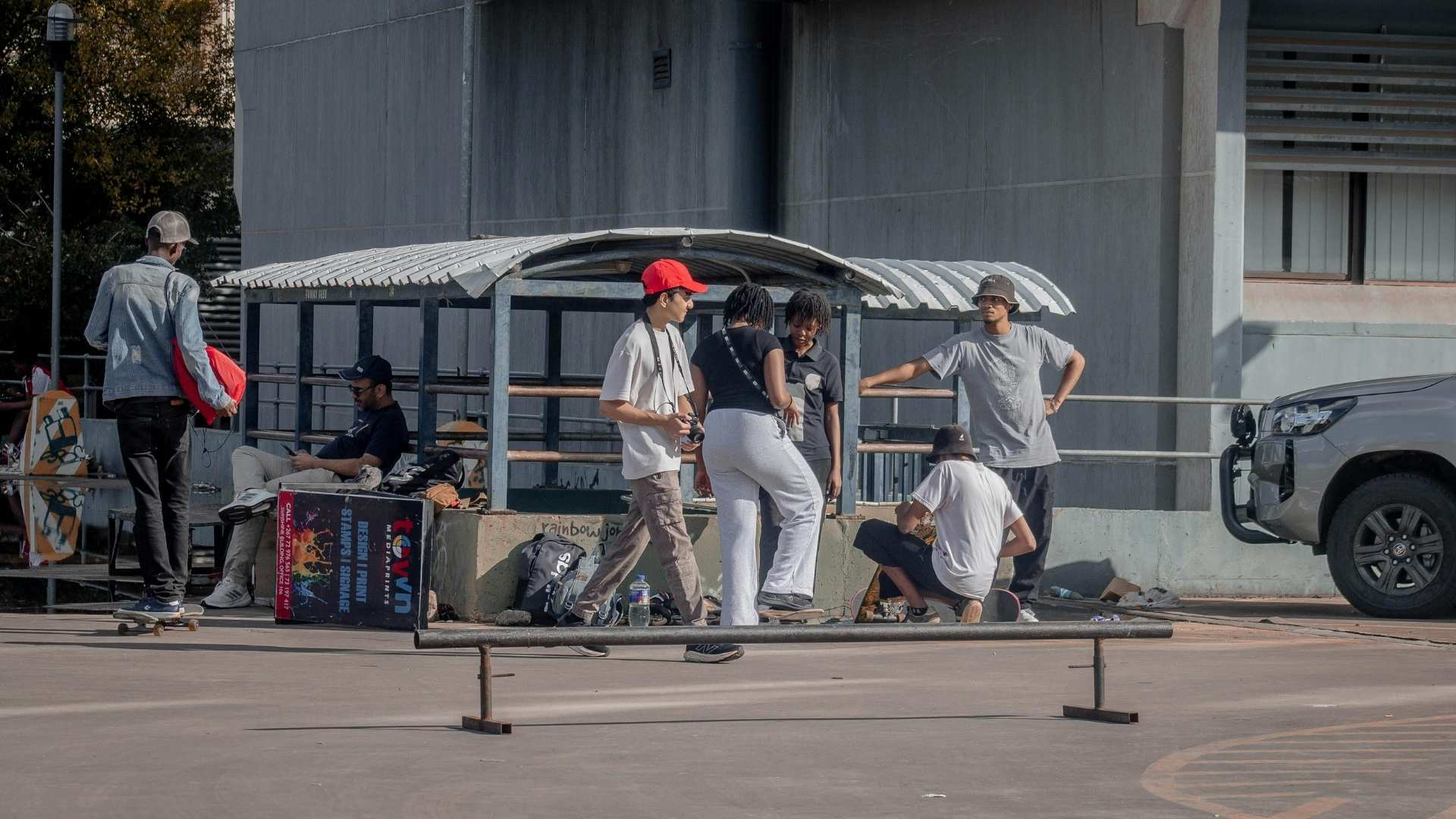
1. The Foundation: Moving Beyond Compliance
The first pillar of the blueprint is understanding that Australian Standards (such as AS EN 14974:2021) are the baseline for safety, not the blueprint for success.
Many councils fall into the trap of building “compliant” parks that remain empty. Why? Because compliance ensures the rail won’t break, but it doesn’t ensure the “ride-line” works. A successful precinct must be Built for Skate, meaning the geometry, momentum, and flow are designed by experts who understand subcultural movement.
When a park lacks flow, it creates “dead zones” and user conflict. A blueprint for success starts with a Safety and Usability Audit that looks at how a human actually moves through the space at speed.
2. The Data-Led Approach: Community Pulse Insights
Traditional community engagement often fails to capture the “Expert User.” Most teenagers won’t fill out a council survey, but they will vote with their feet.
The Outlier blueprint replaces guesswork with Community Pulse data. By using behavioural mapping and ride-line tracing, we can identify:
Peak Use Times: When is the facility reaching capacity?
User Demographics: Who is actually using the space (and who is being excluded)?
Conflict Hotspots: Where do pedestrians and skaters overlap in a dangerous way?
By bringing this data to the table, councils can move from “reactive” maintenance to “proactive” precinct management. You aren’t just building a park, you are solving a spatial puzzle.
3. The Integration Layer: Precincts, Not Islands
The modern “Skatepark Blueprint” rejects the idea of the fenced-off facility. To maximise social ROI, youth spaces must be integrated into the wider urban fabric.
Successful urban placemaking examples in Australia show that co-locating skate facilities with other amenities creates a “halo effect” of safety.
Passive Surveillance: Placing youth spaces near high-traffic areas (cafes, libraries, or transport hubs) naturally reduces antisocial behaviour.
Multi-Disciplinary Design: Integrating basketball, bouldering, and social “hangout” zones ensures the precinct serves a diverse range of youth, not just one subculture.
4. The Activation Strategy: The Park is a Living Asset
A common mistake in local government is viewing the “Opening Ceremony” as the end of the project. In the Outlier Blueprint, the opening is just the beginning.
Activation is what turns a concrete asset into a community hub. This involves:
Programmed Events: Coaching clinics, jam sessions, and youth festivals.
Ongoing Audits: Regular check-ups to ensure the “Community Pulse” remains healthy and the asset isn’t degrading.
Social Connectivity: Ensuring the space has the digital and physical amenities (Wi-Fi, shade, water, charging) that encourage long-stay use.
5. Proving the Business Case: Social ROI
Every council project must eventually face the “Value for Money” test. The blueprint helps you prove the Social ROI by quantifying the benefits:
Vandalism Reduction: High-use, high-pride areas see a significant drop in graffiti and property damage.
Health Outcomes: Providing accessible, free-to-use infrastructure directly combats sedentary lifestyles and youth mental health challenges.
Economic Spillover: Active precincts drive significant footfall to local businesses, particularly on weekends and during school holidays.
Turning the Blueprint into Reality
Building a youth precinct is a major investment of public funds. Using a skate specialist to guide that investment ensures that the result is a high-functioning, safe, and vibrant space that the community will cherish for decades.
The Skatepark Blueprint for Councils is about moving from “facilities” to “places.” It’s about building environments that are Designed for community and Built for skate.
Partner with Outlier Skate
Does your council need a technical partner to audit an existing asset or plan a future precinct? Outlier Skate provides the professional Audits, Community Pulse data, and Activation strategies needed to ensure your project succeeds.
Contact Outlier Skate Today
Let’s build a precinct that works.

Outlier Skate
A specialist skatepark and precinct advisory team helping councils turn audits, community insight and upgrade planning into safer, better-used public spaces.
Recent Posts